
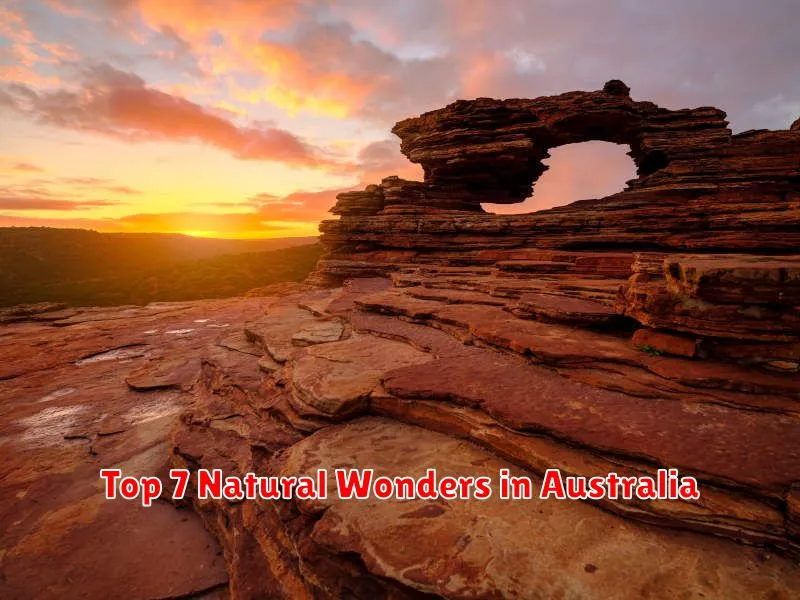
Australia, a land of diverse landscapes and breathtaking beauty, is home to some of the most remarkable natural wonders in the world. From ancient rock formations to vibrant coral reefs, the natural wonders of Australia offer a unique glimpse into the Earth’s geological and biological history. This article will explore the top 7 natural wonders in Australia, highlighting their significance and showcasing why they deserve a spot on every traveler’s bucket list. Prepare to be inspired by the sheer magnificence of these Australian natural wonders.
Whether you’re a seasoned adventurer seeking thrilling experiences or a nature enthusiast looking to connect with the planet’s raw beauty, Australia’s natural wonders have something to offer everyone. Join us as we embark on a virtual journey to discover the top 7 natural wonders Australia has to offer. From the iconic Uluru to the vibrant Great Barrier Reef, we’ll uncover the unique characteristics and captivating stories behind these extraordinary natural wonders. Get ready to witness the awe-inspiring power and beauty of the natural wonders of Australia.
Great Barrier Reef
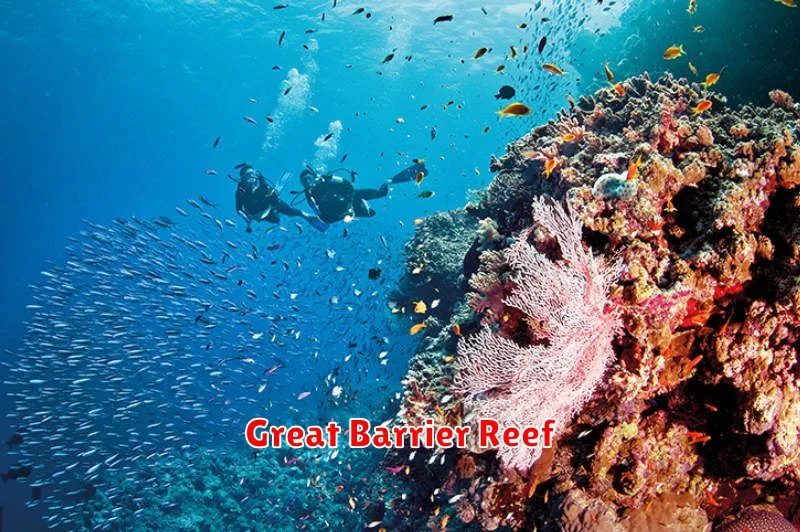
The Great Barrier Reef is the world’s largest coral reef system, composed of over 2,900 individual reefs and 900 islands. It stretches for over 2,300 kilometers (1,400 miles) over an area of approximately 344,400 square kilometers (133,000 square miles). Located in the Coral Sea, off the coast of Queensland, Australia, this extraordinary natural wonder is visible from outer space.
This intricate ecosystem supports a vast biodiversity of marine life, including over 1,500 species of fish, 411 types of hard coral, one-third of the world’s soft corals, and six of the world’s seven species of marine turtles. It is also home to numerous species of sharks, dolphins, whales, and seabirds.
Uluru (Ayers Rock)
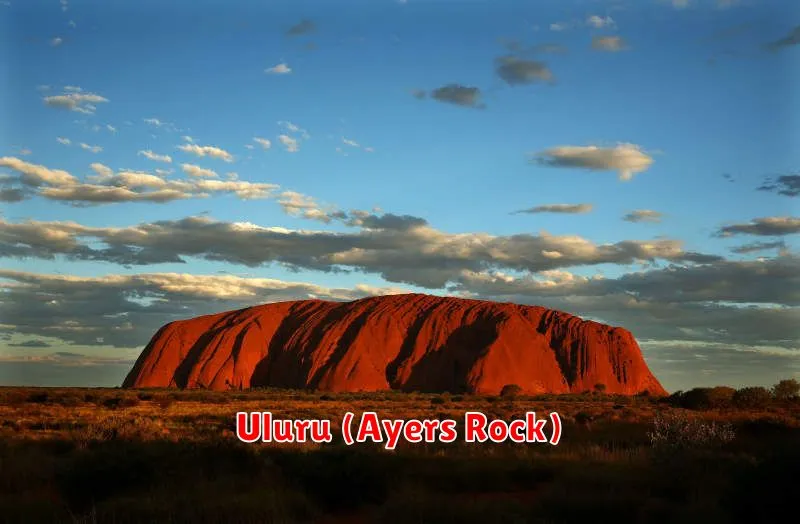
Located in the heart of Australia’s Red Centre, Uluru, also known as Ayers Rock, is an iconic sandstone monolith and a sacred site for the Anangu people, the traditional owners of the land. Its sheer size and presence are awe-inspiring, rising 348 meters above the desert plain and spanning a circumference of 9.4 kilometers.
Uluru’s appearance changes dramatically throughout the day, shifting in color from a rich ochre red at sunrise and sunset to a deep, burnt orange during the midday sun. This natural phenomenon attracts visitors from around the world who come to witness its beauty and cultural significance.
Blue Mountains
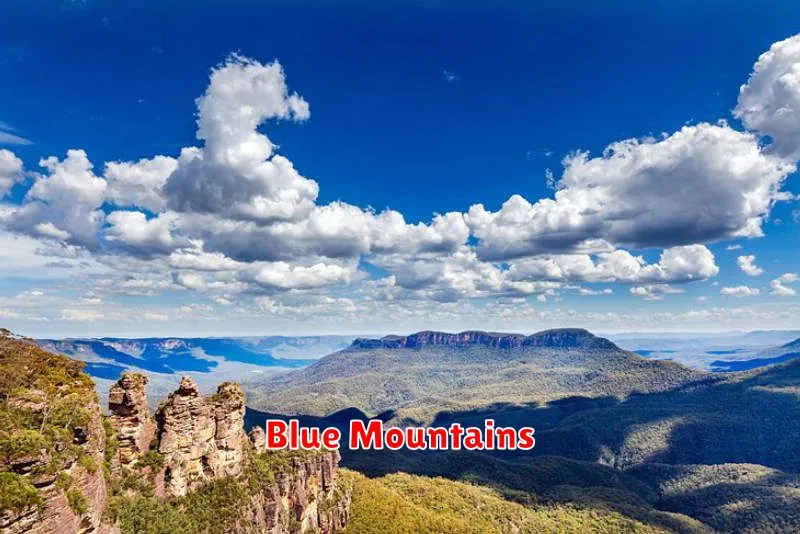
Located just a short distance west of Sydney, the Blue Mountains National Park offers breathtaking views and a vast expanse of wilderness. The area is characterized by dramatic sandstone cliffs, deep gorges, and eucalyptus forests.
The distinctive blue haze that gives the mountains their name comes from the isoprene released by the eucalyptus trees. This haze creates a truly mesmerizing visual experience. Hiking is a popular activity, with trails ranging from easy walks to challenging climbs.
Key features include the iconic Three Sisters rock formation, the vast Jamison Valley, and numerous waterfalls cascading down the cliffs. The Blue Mountains provide a remarkable escape into nature, allowing visitors to experience the beauty and tranquility of the Australian wilderness.
Twelve Apostles

The Twelve Apostles are a collection of limestone stacks off the shore of Port Campbell National Park, along the Great Ocean Road in Victoria, Australia. Despite their name, there were only ever nine stacks.
Formed by constant erosion from the Southern Ocean’s powerful waves and strong winds gradually eroding the soft limestone cliffs, the stacks continue to change over time. Several have collapsed over the years, leaving eight standing today.
The Twelve Apostles are a popular tourist destination, offering stunning views of the coastline and the dramatic rock formations. Visitors can view the apostles from various lookout points along the Great Ocean Road.
Daintree Rainforest

Located in Far North Queensland, the Daintree Rainforest is estimated to be over 180 million years old, making it the oldest tropical rainforest in the world. This ancient ecosystem boasts incredible biodiversity, housing thousands of plant and animal species, many of which are unique to this region.
Covering an area of approximately 1,200 square kilometers, the Daintree is a UNESCO World Heritage site. Visitors can experience its dense canopies, cascading waterfalls, and pristine rivers. The rainforest is also home to the Eastern Kuku Yalanji Aboriginal people, who maintain a strong connection to the land.
Kakadu National Park
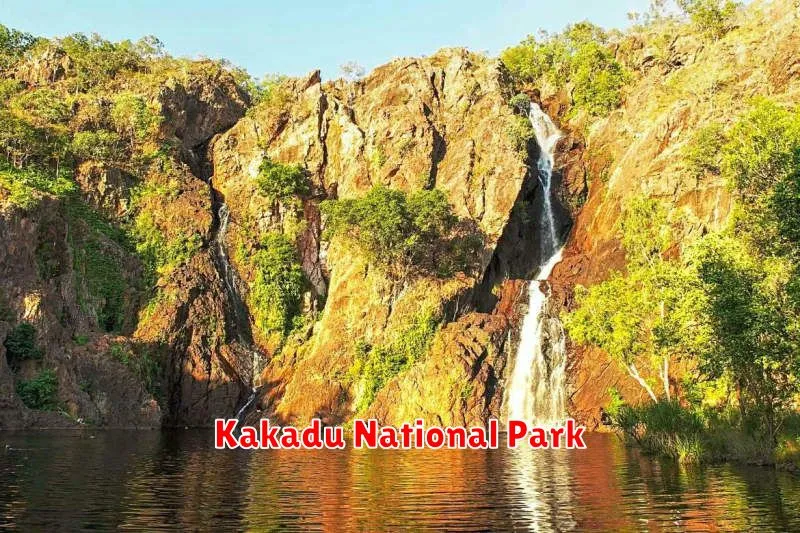
Located in the Northern Territory, Kakadu National Park is a UNESCO World Heritage site renowned for its exceptional natural and cultural values. Covering an area of nearly 20,000 square kilometers, it boasts a remarkable diversity of landscapes, from rugged escarpments and lush wetlands to tidal flats and floodplains.
Kakadu is home to an abundance of wildlife, including over 280 bird species, numerous reptiles and mammals, and a rich variety of fish. The park is also culturally significant, with Aboriginal rock art sites dating back tens of thousands of years providing invaluable insights into human history and cultural evolution.
Visitors to Kakadu can experience spectacular waterfalls, go bushwalking through ancient landscapes, and learn about the rich Aboriginal culture and heritage through guided tours and educational programs.
Cradle Mountain
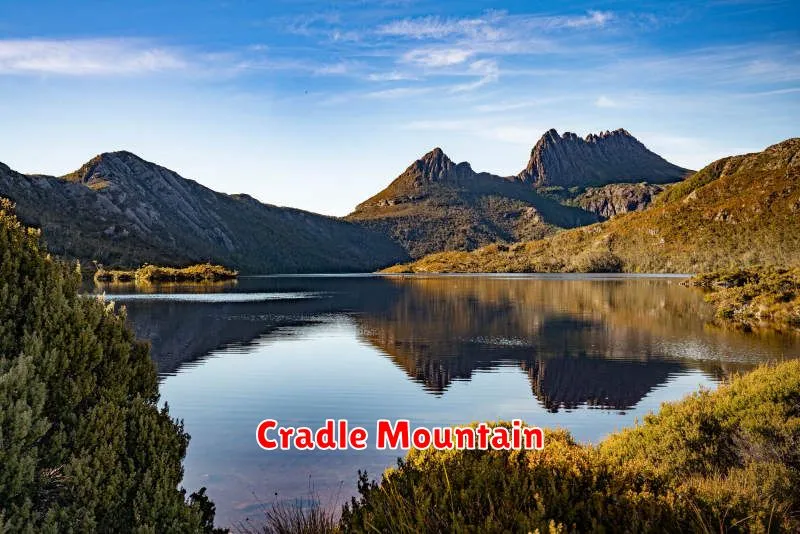
Located in the heart of Tasmania’s Cradle Mountain-Lake St Clair National Park, Cradle Mountain stands as a testament to the raw beauty of the Australian wilderness. Its jagged dolerite peaks, sculpted by ancient glaciers, create a dramatic backdrop for the pristine alpine lakes and lush forests that blanket the area.
A haven for hikers, Cradle Mountain offers a range of trails, from gentle lakeside strolls to challenging climbs to the summit. Diverse wildlife, including wombats, echidnas, and Tasmanian devils, thrive within the park, offering opportunities for unforgettable encounters.
The iconic Dove Lake, nestled at the foot of Cradle Mountain, provides stunning reflective views, making it a photographer’s paradise. Whether seeking adventure or tranquility, Cradle Mountain offers a truly immersive experience in the heart of Tasmania’s wilderness.
