
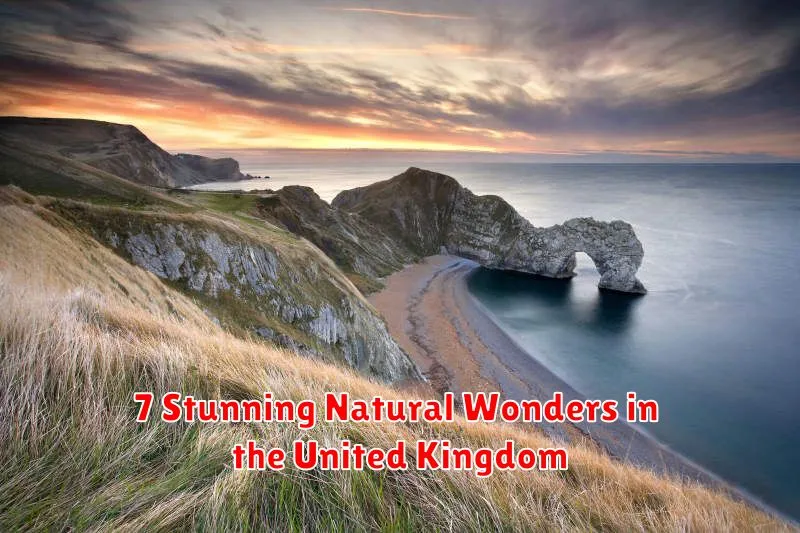
The United Kingdom, an island nation renowned for its rich history and culture, is also home to a diverse array of breathtaking natural landscapes. From towering cliffs and dramatic coastlines to tranquil lakes and mystical forests, the natural wonders of the UK offer a captivating glimpse into the raw beauty of the British Isles. This article will explore seven of the most stunning natural wonders in the United Kingdom, showcasing the remarkable diversity and unparalleled beauty of these must-see destinations. Prepare to be inspired to explore these natural wonders and experience the magic for yourself.
Whether you’re a seasoned hiker seeking challenging trails, a nature enthusiast eager to witness unique geological formations, or simply seeking a peaceful escape amidst breathtaking scenery, the UK has something to offer. Discover the stunning natural wonders that await you in this remarkable corner of the world, from the rugged peaks of Scotland to the serene shores of England, Wales, and Northern Ireland. Join us as we unveil seven of the most stunning natural wonders in the United Kingdom, each possessing a unique charm and captivating allure.
White Cliffs of Dover
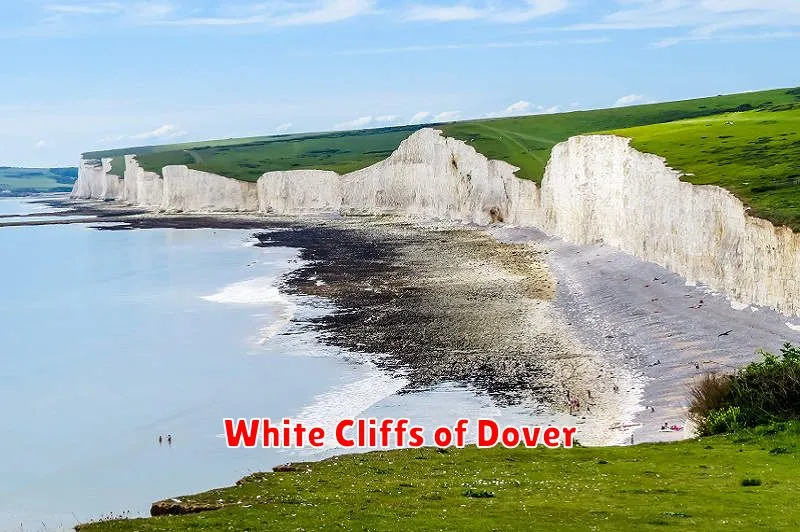
The iconic White Cliffs of Dover stand as a prominent symbol of Britain, their striking chalk faces rising majestically from the English Channel. Formed from the skeletal remains of tiny marine organisms deposited millions of years ago, these chalk cliffs offer breathtaking views across the Strait of Dover towards France.
Designated as a Site of Special Scientific Interest, the cliffs support a rich ecosystem, hosting a variety of flora and fauna, including several rare plant species. Their strategic importance throughout history is undeniable, serving as a vital defensive position for centuries.
Giant’s Causeway, Northern Ireland
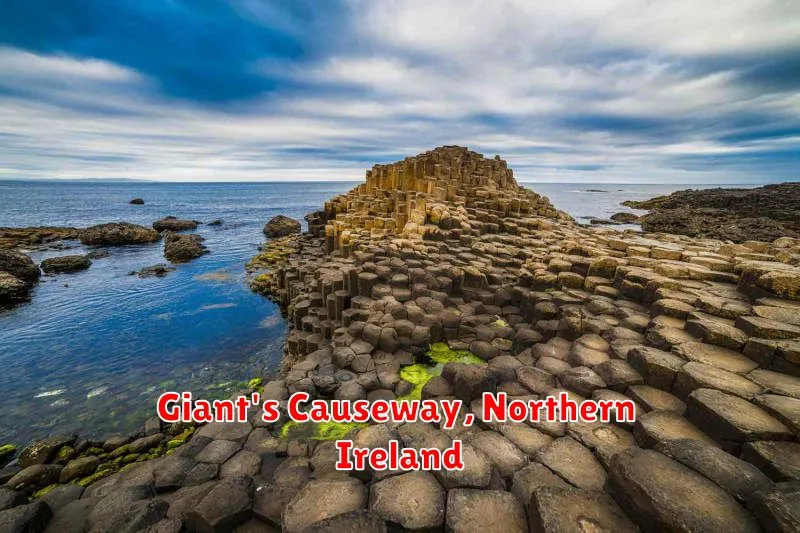
Located on the northeast coast of Northern Ireland, the Giant’s Causeway is a spectacular area of about 40,000 interlocking basalt columns, the result of an ancient volcanic eruption. These geometrically perfect stones, mostly hexagonal, create a unique and visually arresting landscape.
Declared a UNESCO World Heritage Site in 1986, the Giant’s Causeway is steeped in myth and legend. Local folklore attributes the formation to a giant named Finn McCool who built the causeway to Scotland to challenge a rival giant. Regardless of its origins, the Giant’s Causeway is a geological marvel and a must-see destination.
Peak District
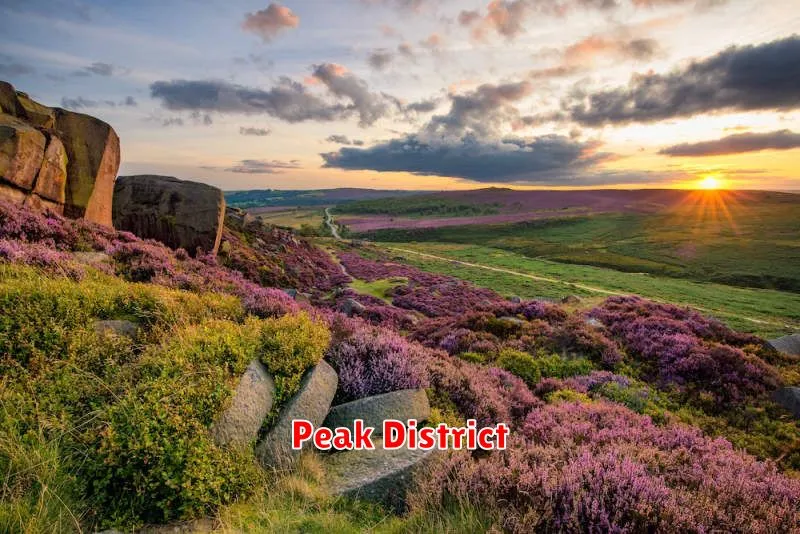
Located in central England, the Peak District National Park boasts a diverse landscape of dramatic hills, serene valleys, and intriguing caves. Established in 1951, it is one of the UK’s most visited national parks.
The park is divided into the Dark Peak, characterized by its gritstone moorlands, and the White Peak, known for its limestone dales and valleys. Visitors can enjoy a range of activities, including hiking, cycling, rock climbing, and caving.
Notable features include Mam Tor, known as the “shivering mountain,” and Kinder Scout, the highest point in the Peak District. The area also boasts a rich history, evident in the charming villages and historic houses scattered throughout the park.
Jurassic Coast
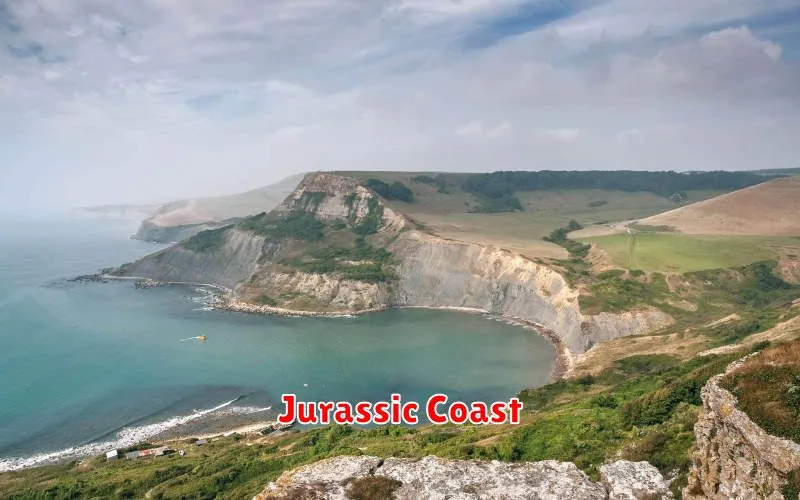
A UNESCO World Heritage Site, the Jurassic Coast stretches along 95 miles of coastline in southern England, spanning from East Devon to Dorset. This dramatic landscape offers a continuous geological record spanning 185 million years, showcasing Triassic, Jurassic, and Cretaceous periods.
Visitors can witness spectacular rock formations, including arches, stacks, and coves carved by the relentless power of the sea. Fossil hunting is a popular activity, with opportunities to discover remnants of ancient marine life like ammonites and belemnites.
Besides its geological significance, the Jurassic Coast boasts diverse wildlife and breathtaking scenery, making it a popular destination for hikers, nature enthusiasts, and photographers.
Loch Ness, Scotland
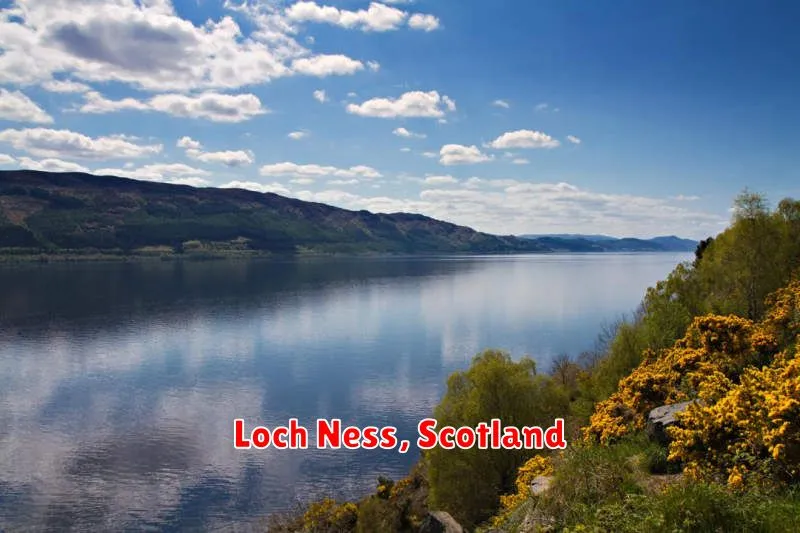
Nestled in the Scottish Highlands, Loch Ness is renowned for its breathtaking beauty and the enduring legend of its elusive inhabitant, Nessie. This deep, freshwater loch stretches for approximately 23 miles, surrounded by dramatic hills and rugged terrain.
The mystery surrounding the Loch Ness Monster has captivated the world for centuries, attracting visitors eager to catch a glimpse of the mythical creature. While scientific evidence remains elusive, the legend persists, adding a unique layer of intrigue to this already stunning natural wonder.
Beyond the legend, Loch Ness offers visitors the opportunity to explore its picturesque shores, hike through surrounding trails, and appreciate the tranquil beauty of the Scottish landscape. The area boasts a rich history, with Urquhart Castle, a medieval fortress overlooking the loch, serving as a testament to its past.
Lake District
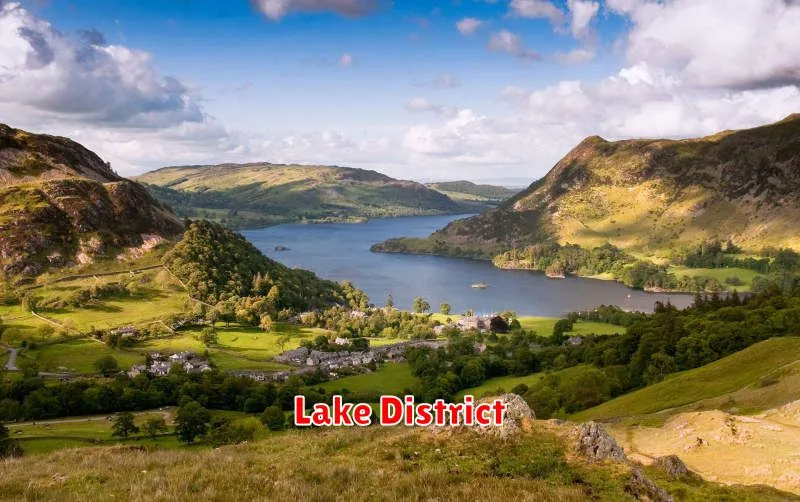
Located in Cumbria, North West England, the Lake District National Park boasts a stunning array of mountains, valleys, and, of course, lakes. Formed by glacial erosion, this landscape offers breathtaking views and unparalleled opportunities for outdoor activities.
Scafell Pike, England’s highest peak, dominates the skyline, while the tranquil waters of Windermere and Derwentwater invite leisurely boat trips. Hiking, climbing, and kayaking are popular pursuits, allowing visitors to fully immerse themselves in the natural beauty of the region.
Designated a UNESCO World Heritage Site, the Lake District is a testament to the power of natural forces and a haven for those seeking tranquility and adventure.
Ben Nevis
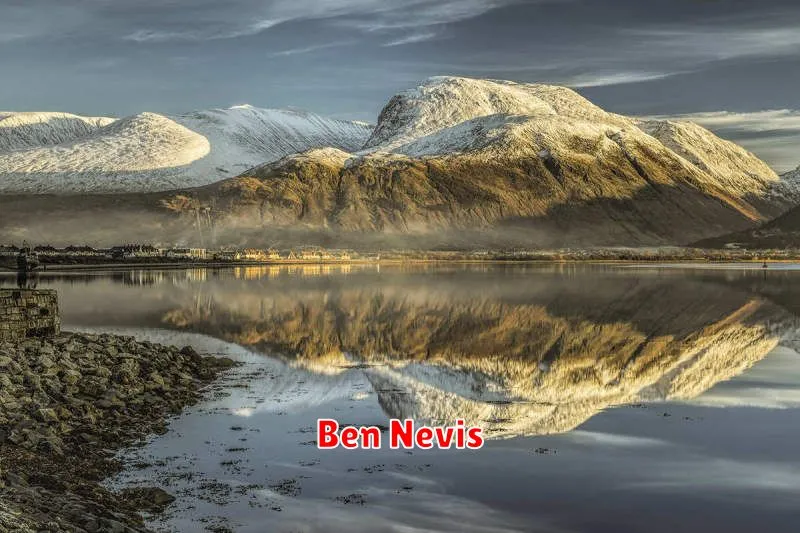
Located in the Scottish Highlands, Ben Nevis stands as the highest peak in the British Isles, reaching an elevation of 1,345 meters (4,413 feet) above sea level. Its imposing presence dominates the surrounding landscape, offering breathtaking panoramic views.
Formed from ancient volcanic rock, the mountain presents a challenging climb for experienced hikers, with various routes leading to the summit. The north face of the mountain is particularly renowned for its steep cliffs and challenging terrain, attracting seasoned climbers.
The summit of Ben Nevis experiences Arctic-like conditions throughout much of the year, with frequent snow cover and unpredictable weather patterns. It is crucial for visitors to be adequately prepared with appropriate gear and clothing before undertaking an ascent.
