
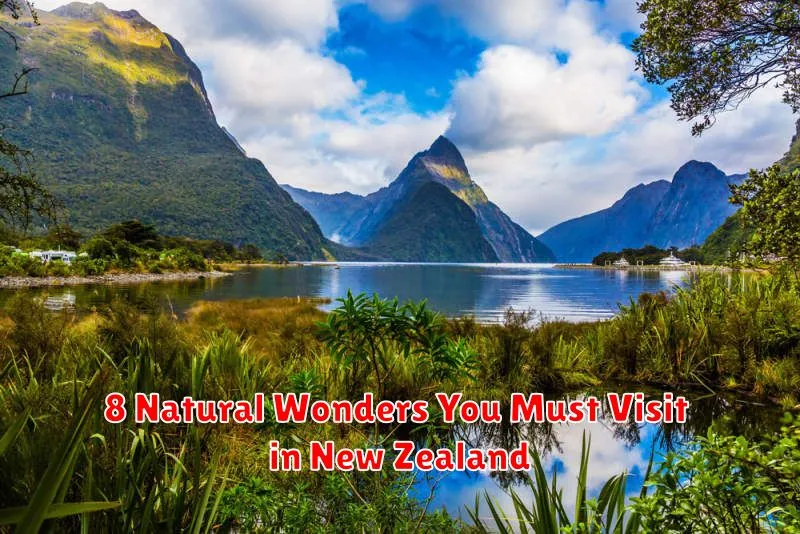
New Zealand, a land of breathtaking beauty and unparalleled natural wonders, offers a diverse range of landscapes that will captivate any traveler. From soaring mountains to shimmering glaciers, pristine fjords to geothermal marvels, this island nation boasts a collection of natural wonders that deserve a place on every adventurer’s bucket list. Join us as we explore eight of the most remarkable natural wonders you must visit in New Zealand, showcasing the country’s unique geological formations and diverse ecosystems. Prepare to be inspired to embark on your own journey to witness the awe-inspiring beauty of these New Zealand natural wonders.
Discovering these eight natural wonders will provide an unforgettable experience, immersing you in the raw power and captivating beauty of nature. Whether you seek thrilling adventures, tranquil escapes, or simply wish to witness the natural wonders of New Zealand firsthand, this list will guide you to some of the most extraordinary destinations the country has to offer. From the iconic Milford Sound to the geothermal wonders of Rotorua, each location presents a unique opportunity to connect with the natural wonders of this remarkable island nation. Let us begin our exploration of the eight natural wonders you must visit in New Zealand.
Milford Sound
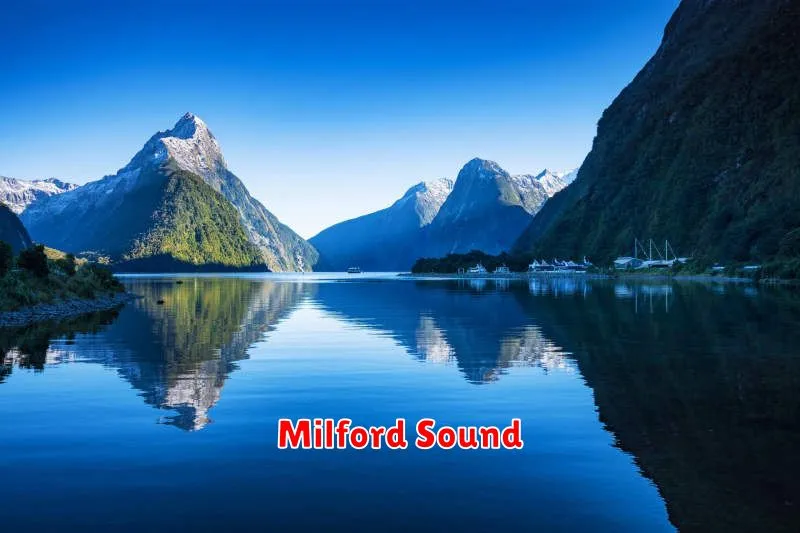
Carved by glaciers during the ice age, Milford Sound is a fjord located within Fiordland National Park, a UNESCO World Heritage site. Its dramatic cliffs, cascading waterfalls, and lush rainforest create an unforgettable landscape.
Mitre Peak, rising sharply from the water, is one of the most photographed peaks in the sound. Keep an eye out for seals, penguins, and dolphins, which are often spotted in the waters.
Experiencing Milford Sound can be done through various cruises or kayaking tours. Rainfall is frequent, adding to the mystique with temporary waterfalls appearing along the cliffs.
Mount Cook
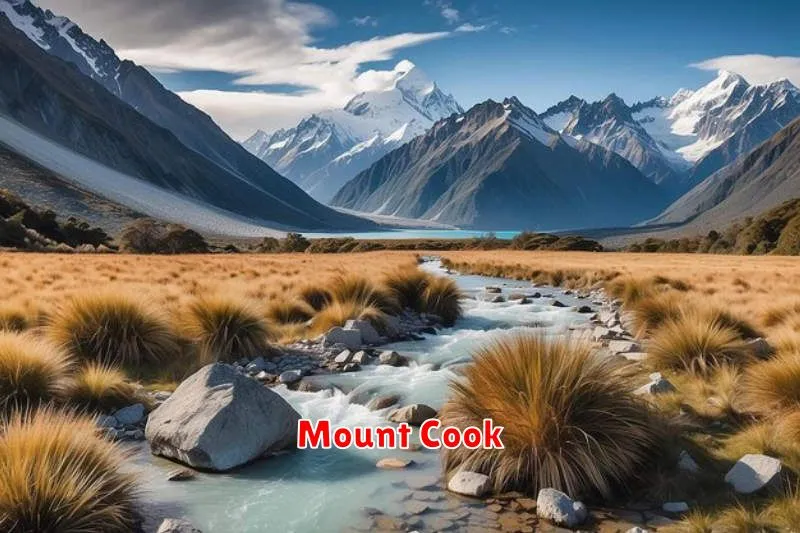
Standing tall as the highest mountain in New Zealand, Aoraki / Mount Cook is a breathtaking sight. Part of the Southern Alps, the peak reaches a staggering 3,724 meters (12,218 feet) above sea level.
Experienced mountaineers are drawn to its challenging slopes, while those less inclined to climb can appreciate its majesty from afar. The surrounding Aoraki / Mount Cook National Park offers a range of hiking trails with stunning views of the mountain, glaciers, and turquoise lakes.
The area is renowned for its clear night skies and is a designated International Dark Sky Reserve. Stargazing opportunities abound, offering visitors a chance to witness the Milky Way in all its glory.
Lake Tekapo
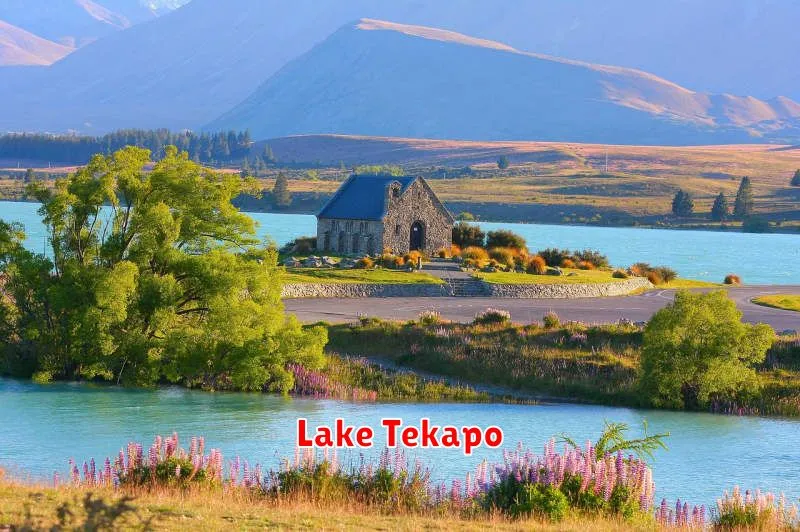
Located on New Zealand’s South Island, Lake Tekapo is renowned for its vibrant turquoise blue water. This striking color is caused by finely ground rock flour suspended in the glacial meltwater.
The lake is part of a UNESCO Dark Sky Reserve, making it an ideal location for stargazing. The clear night skies offer breathtaking views of the Milky Way and Southern Lights.
The iconic Church of the Good Shepherd, situated on the lake’s shore, is a popular photographic subject and adds to the area’s serene beauty.
Tongariro National Park
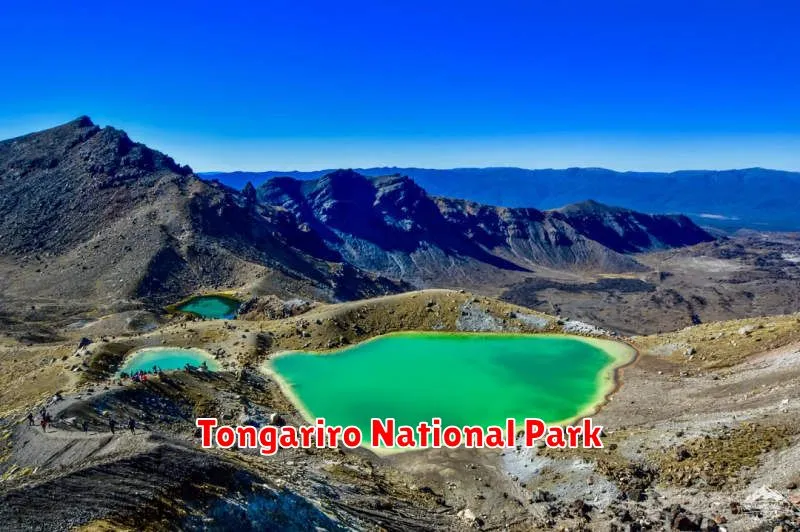
Designated as New Zealand’s first national park, Tongariro boasts a dual World Heritage status for its cultural and natural significance. This remarkable landscape encompasses three active volcanoes: Mount Tongariro, Mount Ngauruhoe, and Mount Ruapehu.
Visitors can experience the Tongariro Alpine Crossing, frequently lauded as one of the best day hikes in the world. This challenging trek takes you across volcanic terrain, past emerald lakes, and alongside steaming vents, offering breathtaking views.
Beyond hiking, the park offers opportunities for skiing, snowboarding, and exploring the unique volcanic features. The park’s significance to the indigenous Māori people adds another layer of depth to its rich tapestry.
Fox Glacier
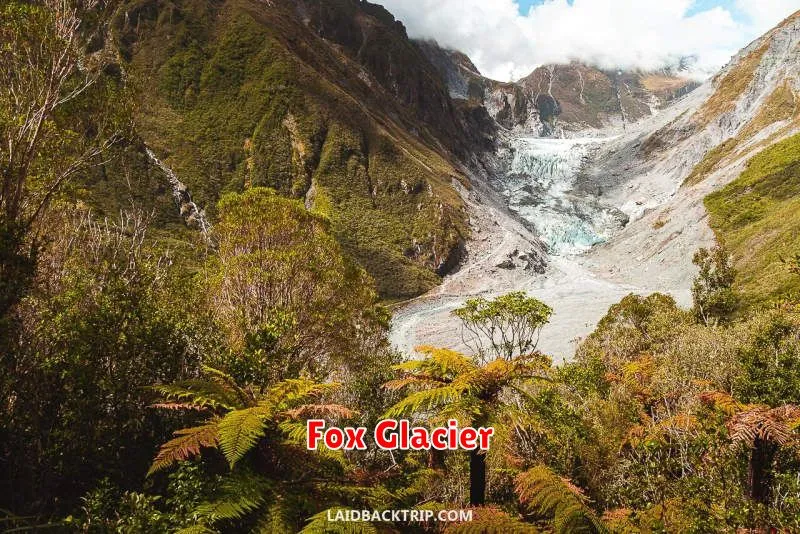
Located on the West Coast of New Zealand’s South Island, Fox Glacier is one of the most accessible glaciers in the world. Descending from the Southern Alps, it offers visitors breathtaking views of its icy blue expanse.
The glacier is fed by four alpine glaciers and stretches over 13 kilometers, reaching down into temperate rainforest. This unique environment creates a dramatic contrast between the lush green vegetation and the stark white ice. Visitors can experience the glacier via a heli-hike or guided ice climbing for a truly unforgettable experience.
Wai-O-Tapu Geothermal Area
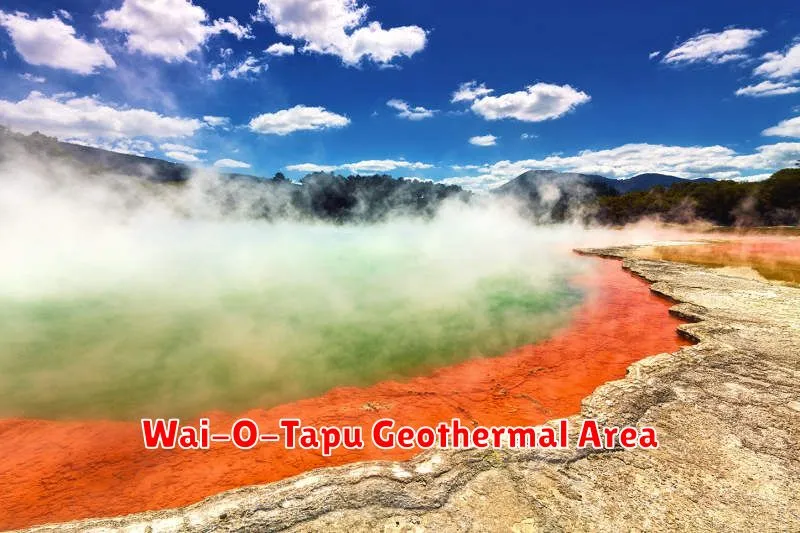
Located near Rotorua, Wai-O-Tapu is a geothermally active area showcasing a vibrant and otherworldly landscape. Witness bubbling mud pools, steaming vents, and brightly colored hot springs. The Champagne Pool, with its vivid orange hues, is a particular highlight.
The Lady Knox Geyser erupts daily, reaching heights of up to 20 meters. This geothermal wonderland offers a unique glimpse into the powerful forces shaping the earth.
Lake Wanaka

Lake Wanaka, located in the Otago region of the South Island, is a stunning glacial lake renowned for its tranquil beauty and surrounding mountain peaks. The town of Wanaka sits at its southern end, offering a vibrant hub for visitors.
Popular activities include kayaking, paddleboarding, and boat tours. Hiking trails offer breathtaking views of the lake and surrounding alpine scenery. Photographers are drawn to the iconic #ThatWanakaTree, a solitary willow growing partially submerged in the lake’s shallows.
Lake Wanaka offers a more laid-back atmosphere compared to nearby Queenstown, making it an ideal destination for those seeking tranquility and natural beauty.
Punakaiki Pancake Rocks
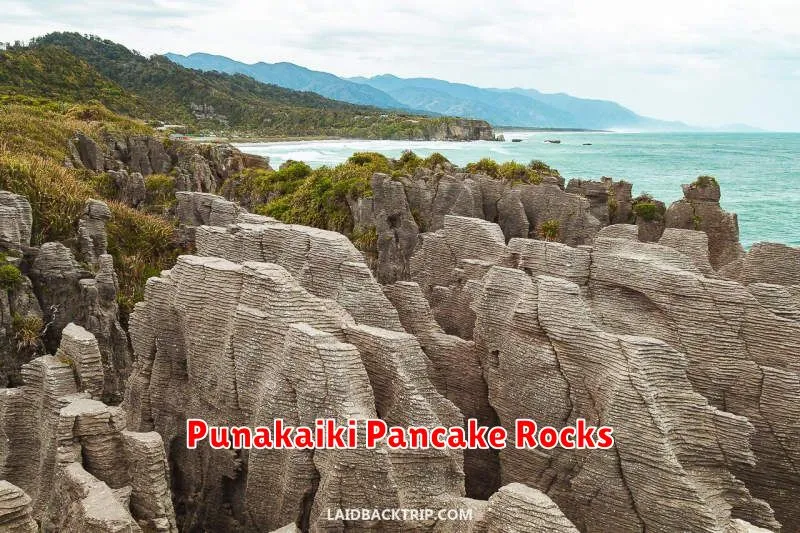
Located on the West Coast of the South Island, the Punakaiki Pancake Rocks are a remarkable natural formation. These layered limestone formations resemble stacks of pancakes, hence their name.
The unique appearance is due to a process called stylobedding, where alternating layers of harder and softer limestone were deposited and then eroded by the sea.
Visit at high tide for the best experience, as you’ll witness the powerful waves surge through the blowholes, creating dramatic plumes of water and spray.
